

Pressing SEO Challenges of 2026 and How To Overcome Them
Search engines still drive most online journeys, but ranking today feels more stressful than ever for businesses. As per a recent study, over 68% of online journeys still begin with a search engine, yet organic click-through rates keep dropping. A Backlinko study also shows that only 0.63% of Google users click results on page two, which explains why visibility now feels fragile. However, in order for brands to grasp what has changed and why trust is now more important than methods, these data demonstrate that search engine optimization (SEO) is still effective.
C2C Media works with companies all around the UAE that are under this kind of demand on a daily basis. Many people continue to use outdated SEO practices and are perplexed as to why their results have suddenly stopped or dropped. The reality is straightforward, yet it is unsettling.
Now, search engines evaluate brands in the same way that individuals do. Before providing visibility, they look for clarity, honesty, depth, and consistency in the information provided. The first step in achieving stable growth is to have an understanding of this transition.
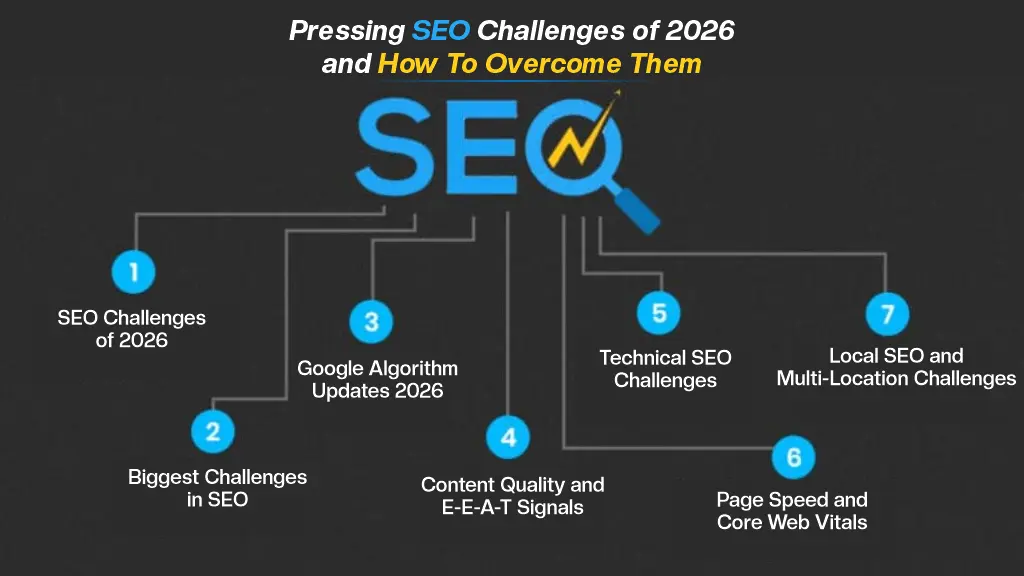
SEO Challenges of 2026
Because search engines now evaluate a website’s overall digital trustworthiness, search engine optimization (SEO) in the year 2026 is no longer restricted to ranks or keyword placement. Not only do websites compete with one another, but they also compete with rapid replies, computer-generated summaries, and rich results that reduce the number of clicks.
As a result of this transition, exposure is made more difficult for brands that rely on superficial techniques or content plans that are rushed. Businesses that approach search engine optimization (SEO) as a checklist frequently struggle to keep it going.
The pressure increases because search engines expect real value at every touchpoint. Pages must answer questions clearly, load fast, and prove authenticity without sounding forced. When brands ignore this reality, traffic drops quietly, leaving teams confused and frustrated. The challenge is not complexity, but commitment to doing things properly.
Biggest Challenges in SEO
One of the Biggest Challenges in SEO today is rising competition across nearly every keyword category. More brands publish content daily, which pushes average pages further down results pages. Search engines now reward relevance and clarity over volume, making weak or repetitive content easy to ignore.
Another challenge comes from intent mismatch, where pages target keywords but fail to answer what users actually want. This gap causes high bounce rates and low engagement, which search engines detect quickly. Businesses that do not align content with intent often see rankings fluctuate without clear reasons.
Top 5 Biggest Challenges in SEO of 2026
- Search engines now favor real trust and brand signals, making it harder for new or unknown websites to rank.
- User intent changes quickly, which causes pages to lose rankings when content fails to match search needs.
- AI answers and rich results reduce organic clicks, even when pages still hold strong positions.
- Technical gaps like slow speed, poor mobile experience, and indexing errors silently block growth.
- Content overload makes it harder to stand out, as shallow or repeated topics get ignored faster than before.
Struggling with SEO Challenges in 2026? Let Our Experts Fix Them for You
Explore Advanced Search Engine Services That Drive Real Growth
Google Algorithm Updates 2026
Search engines now roll out smaller but frequent updates that focus on user satisfaction rather than visible penalties. Google Algorithm Updates 2026 places heavy weight on how users interact with content after clicking results. Pages built only for search bots lose traction when users disengage quickly.
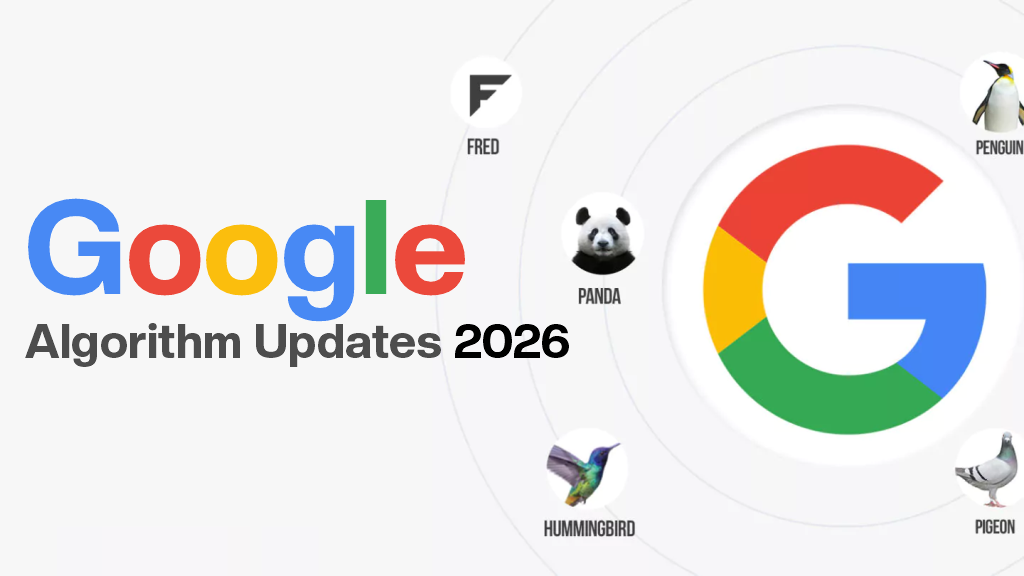
These updates also reward consistency across the website, not isolated improvements. Strong pages cannot carry weak sections anymore, because signals now connect across the entire domain. Brands that plan ahead instead of reacting tend to recover faster and remain stable through changes.
Content Quality and E-E-A-T Signals
Search engines now anticipate that material will reflect real experience rather than information that has been recycled and rewritten indefinitely. Content Quality and E-E-A-T Signals are two of the most important factors that determine whether or not a page is worthy of trust and visibility. In comparison to generic summaries that are collected from other websites, articles that demonstrate direct understanding score far better.
Author credibility, clear sourcing, and helpful structure matter more than length alone. Users stay longer when content feels honest and grounded, which strengthens engagement signals naturally. Businesses that invest in meaningful content often see slower starts but stronger long-term results.
Technical SEO Challenges
Many businesses underestimate Technical SEO Challenges until traffic drops suddenly and recovery becomes difficult. Search engines struggle to understand websites with broken structures, poor internal linking, or inconsistent indexing rules. These issues block visibility quietly, making them harder to detect early.

Strong technical foundations support every SEO effort, including content and links. When sites load correctly, follow clean architecture, and avoid errors, search engines can focus on value instead of troubleshooting. Ignoring technical health often wastes otherwise good content.
Technical SEO Challenges
- Search engines struggle to crawl websites with broken links, poor structure, and confusing internal navigation paths.
- Slow page loading speeds reduce user trust and weaken rankings across both desktop and mobile searches.
- Mobile usability issues hurt visibility when sites fail to adapt to different screen sizes properly.
- Improper indexing settings block important pages from appearing in search results without clear warnings.
- Duplicate content caused by URL variations confuses search engines and weakens ranking signals.
- Missing or incorrect structured data limits eligibility for rich results and enhanced search listings.
- Weak server performance and frequent downtime disrupt crawling and reduce overall site reliability.
Page Speed and Core Web Vitals
Page Speed and Core Web Vitals now influence both rankings and user trust, especially on mobile devices. Slow pages frustrate users who expect instant access, causing quick exits that harm engagement metrics. Search engines track these behaviors closely to measure real experience.
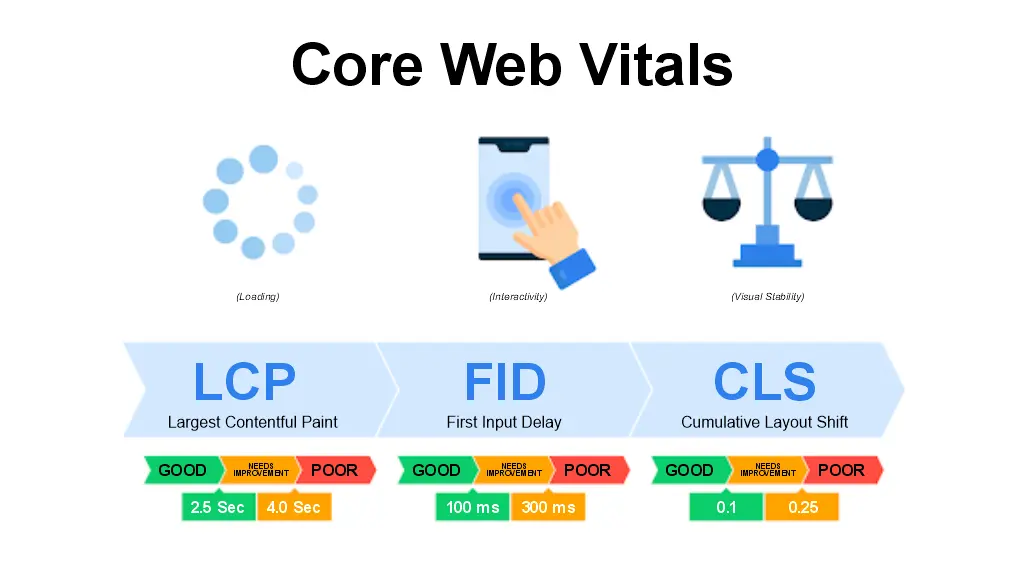
Improving speed often brings immediate benefits beyond rankings, including better conversion rates and longer visits. Simple fixes such as optimized images and cleaner code create noticeable improvements without large investments. Speed has become a baseline expectation, not a bonus.
Local SEO and Multi-Location Challenges
Local SEO and Multi-Location Challenges have grown as search results become more personalized and competitive. Businesses with multiple locations struggle to maintain consistent listings, accurate details, and steady review management. Small errors create confusion that hurts both rankings and customer trust.
Search engines rely on clean data to serve local results confidently. When addresses, categories, or business hours vary across platforms, visibility suffers. Brands that treat local SEO as ongoing maintenance perform better than those who update listings only during issues.
2026 SEO Strategy Guide
A strong 2026 SEO Strategy Guide focuses on alignment rather than shortcuts. Content, technical health, user experience, and authority must support each other consistently. When teams work in isolation, progress slows and mistakes repeat.
- Long-term planning replaces reactive fixes in modern SEO. Brands that define clear goals and track meaningful metrics make smarter decisions. This approach reduces panic during updates and creates sustainable growth that does not rely on constant adjustments.
- Knowing Future SEO Challenges requires accepting that search behavior will keep evolving. Voice search, visual results, and AI-driven answers influence how users discover information. Businesses that prepare early adapt faster and avoid rushed changes later.
- Many SEO Problems Businesses Face in 2026 come from outdated expectations rather than search engines themselves. Teams often chase rankings instead of solving real user problems, which weakens engagement and trust. Others publish content without direction, spreading effort too thin across topics.
- Knowing How To Overcome SEO Challenges starts with honest audits and clear ownership. Weak areas must be addressed directly instead of hidden behind new campaigns. Consistent effort over time delivers better results than sudden bursts of activity followed by silence.
- Tracking Rising SEO Trends and Challenges helps brands stay aware without chasing every update. Trends reward clarity, relevance, and usefulness, while noise fades quickly. Businesses that focus on fundamentals adjust smoothly as platforms change.
- Search Engine Optimization Challenges feel overwhelming when plans become too complex. Simple systems help teams execute better and maintain momentum. When everyone understands goals, progress becomes visible and measurable.
- Indexing and Crawling Issues often block performance before content even gets a chance to rank. Clean sitemaps, logical internal links, and proper indexing rules allow search engines to find and evaluate pages correctly. Early fixes save months of lost visibility.
- Building Topical Authority and Content Depth strengthens long-term trust with search engines. Focused content clusters help engines understand expertise, while random topics dilute signals. Consistency across related subjects builds credibility over time.
- Using Structured Data and Rich Results helps pages stand out without manipulation. Proper markup clarifies content meaning for search engines and improves click-through rates. Overuse or incorrect implementation creates risk rather than reward.
- Applying a Common SEO Issues and Solution mindset allows teams to learn from patterns instead of repeating mistakes. Most SEO problems appear across industries, and experience shortens recovery time. At C2C Media, we focus on clarity, patience, and real value because trust compounds over time.
Final Thoughts
SEO in 2026 feels demanding because expectations are higher for everyone involved. Search engines reward brands that respect users, invest in quality, and stay consistent through change. Shortcuts fade quickly, but honest work holds value.
With the right strategy, SEO still delivers strong and stable growth. It simply asks brands to show up with care, clarity, and commitment. When done right, visibility becomes a result, not a chase.
Ready to Overcome the SEO Challenges of 2026?
Frequently Asked Questions