How to Master Search Engine Marketing in 2026: Strategies and Tips to Generate Maximum ROI
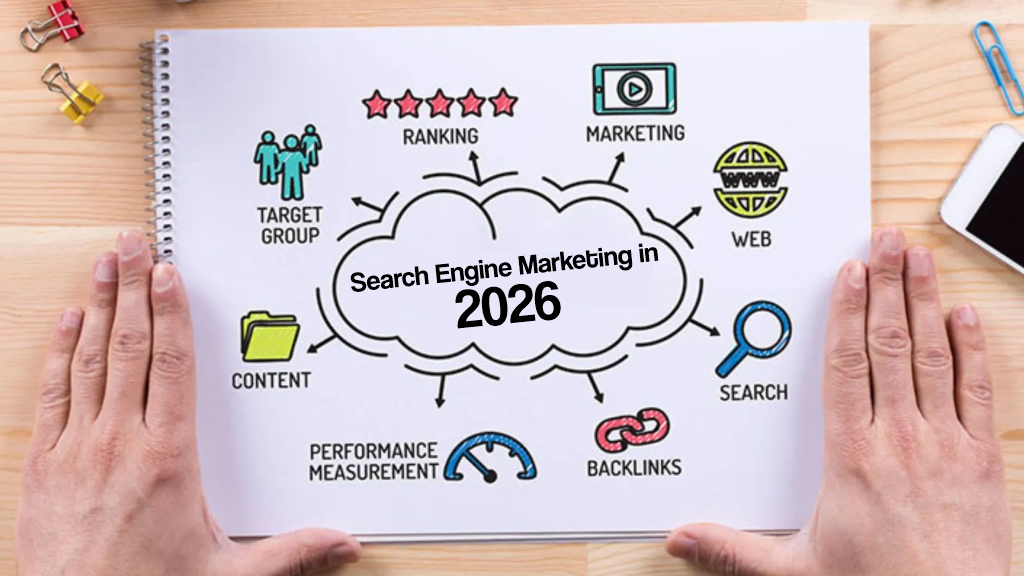
Search Engine Marketing in 2026 is more than just ads and keywords. The way people search and buy online keeps changing. By 2026, marketers will need new ways to reach buyers. You must think with heart, not just numbers. Good efforts will get real results that make you proud.
A number of other worldwide businesses, such as oil and gas, insurance, and real estate, have also achieved the one trillion dollar threshold, and advertising is also among the company’s ranks. The total amount spent on advertising around the globe in 2011 was $384 billion. The growth is anticipated to continue strong, and the market value of more than $1.3 trillion is anticipated by the year 2028.
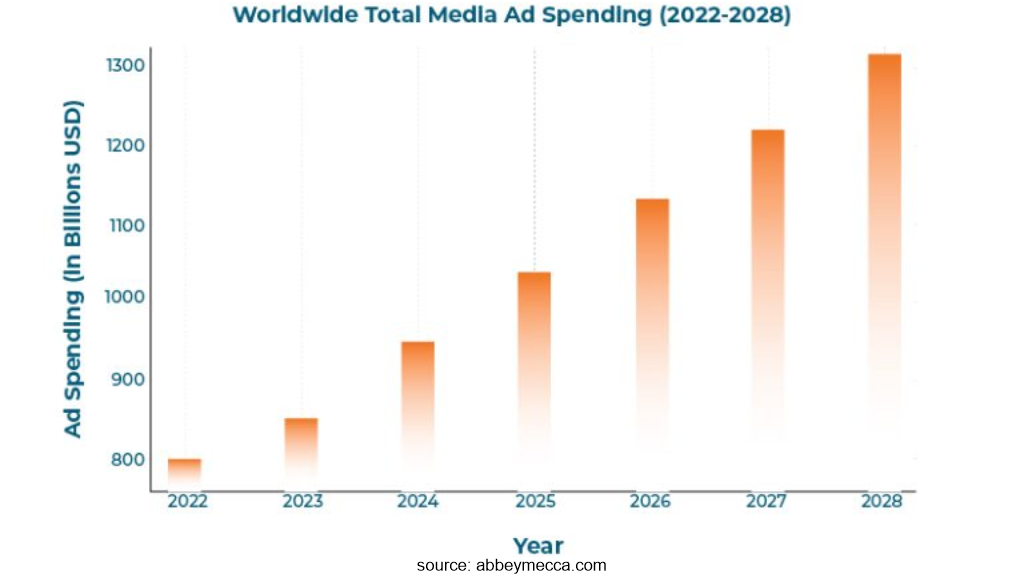
This shows the trust businesses place in paid search to reach real customers. These numbers tell a simple truth. Search Engine Marketing Works when done right. This blog will help you learn simple, proven steps to master SEM. We want you to earn more clicks, leads, and sales in 2026. You will learn new ways to plan, act, and measure your efforts. Let’s dive in with clear steps and real tips.
What Is Master Search Engine Marketing in 2026?
In 2026, Master Search Engine Marketing encompasses more than just the placement of advertisements. It implies having a complete understanding of your clients and the trip they take while using the internet. When consumers are ready to take action, you want them to notice your advertisements. You want them to click, interact with, and ultimately convert.
SEM is a combination of paid search, intelligent bidding, powerful keywords, targeted ads, and landing sites that are effective. Furthermore, it is effective with social advertisements and content that creates trust. To receive more value for every dollar that you spend, it is necessary that all of the components operate together.
SEM in 2026 is smart, fast, and human. It respects real people. It places the right message at the right time. This increases your ROI and keeps your brand strong.
Ready to Master Search Engine Marketing in 2026?
Unlock ROI-driven SEM strategies with expert-led search engine services built to scale smarter and faster.
Why SEM Still Master Search Engine Marketing in 2026?
Every business wants visibility. Most buyers start their journey on search engines. They type questions, problems, and needs into Google or Bing. When your ad shows up first, they see you as someone who can help.
People trust what they see at the top of search results. Good ads build trust and bring buyers to your site. When you combine this with good content and offers, people convert faster.
Master Search Engine Marketing Works because it shows your ads to people who already want to buy. You don’t have to guess who might like your product. You target people who already show interest.
Tip 1: Know Your Audience Deeply
You can’t create good SEM ads without knowing your audience well. Start with research.
Ask these questions:
- Who is my ideal customer?
- What are they searching for?
- What words do they use when they search?
- What problems are they trying to solve?
When you are aware of their inquiries and requirements, you will be able to create advertisements that are written specifically for them. You could, for instance, target customers who search for “best home workout gear” if you are in the business of selling fitness gadgets in Dubai.
Your advertisement and landing site ought to be able to communicate straight to that requirement. This concentration will assist you in spending money just on the individuals who are most important to you. A substantial return on investment can be achieved in this manner.
Tip 2: Use the Right Keywords
In search engine marketing (SEM), keywords continue to take center stage. However, in the year 2026, keyword strategy is more intelligent. You have to put yourself in the shoes of your client. Utilize terms that correspond to the objective of the search.
Try using phrases such as “best running shoes for hot weather” rather than general terms such as “shoes.” The purpose of the search can be deduced from these concrete phrases. In addition, make use of long-tail keywords. Their prices are lower, and they are more concentrated. You will receive superior leads from them.
The Google Keyword Planner, Ubersuggest, and other paid tools are examples of those that can assist in the discovery of high-value terms. Put your plan to the test and improve it with their help. The relevant message can thus be delivered to the appropriate audience with the help of this.
Tip 3: Craft Ads That Speak to Real Needs
Good ads don’t just show features. They speak to real problems and real feelings. Your audience wants help, not sales talk. For example, instead of saying “Buy Our Software,” say “Grow your traffic with tools that save time and stress.”
Write ads like you are talking to a friend. Keep sentences clear, honest, and helpful. Make sure your headline grabs attention. Then use the description to show value. Match the message to what your audience wants most. Good copy increases clicks and lowers your cost per click. That means more ROI.
Tip 4: Build Landing Pages That Convert
A good ad brings people to your landing page. But a great landing page turns clicks into customers. Your landing page must deliver what the ad promised. That keeps people engaged.
Key elements of a good landing page
- A clear headline that matches the ad
- Simple, emotional text that speaks to needs
- A strong call to action (like “Get a Quote” or “Start Free Trial”)
- Fast load time
- Mobile-friendly design
If your landing page is slow or confusing, people will leave. Don’t let that happen. Optimize for speed and clarity. This step makes every ad dollar work harder.
Tip 5: Use Smart Bidding and Automation
Search engines now offer smart bidding tools. These tools use machine learning to improve your bids. They watch who clicks, when, and how often they convert. Smart bidding can help you win better placements at lower cost. But automation does not replace strategy. You still need to set clear goals. Choose the right bidding strategy based on your business goal.
For example:
- Maximize conversions
- Target ROAS (Return On Ad Spend)
- Maximize clicks
Review results often. Adjust based on what you see. Automation learns fast when you guide it with clear goals.
Tip 6: Track and Improve with Data
You can’t improve what you don’t measure. Set up tracking early. Use tools like Google Analytics and Search Console. Track key metrics like:
- Click-through rate (CTR)
- Cost per click (CPC)
- Conversion rate
- Cost per conversion
- Return on ad spend (ROAS)
Check these numbers weekly. Spot trends and act on them. When a keyword or ad performs well, invest more. When one performs poorly, pause or change it. This constant improvement will raise your ROI over time.
Tip 7: Sync SEM with Other Marketing Channels
You should not rely just on your search campaigns. Combine them with other online marketing platforms that are highly effective. Follow up with leads through the use of email. Make use of social media to raise awareness and revisit individuals who have already visited your website.
By providing answers to frequently asked issues, content marketing may help develop trust. It is easier for consumers to transition from search to action when they have this balance. Every aspect of your approach is strengthened as a result of this. You have the ability to develop campaigns that function as a team rather than in isolation.
Tip 8: Use Social Media Marketing Strategies to Support SEM
Both Master Search Engine Marketing and social marketing complement one another nicely. Social advertisements raise both awareness and interest. The intent to buy is being captured by SEM.
Using social platforms, you are able to target individuals based on their habits, interests, age, and geography. Utilize this to get your viewers excited before they begin their search. For instance, you may display brief video advertisements on social media.
Then, when individuals search for terms that are linked to your business, your Master Search Engine Marketing ad will meet them at the appropriate time. The use of this multi-tiered strategy results in an increase in conversions and fosters trust over time.
Tip 9: Follow Top Digital Marketing Trends in 2026
2026 will bring new shifts in how people search and buy online. Keep an eye on important trends:
- Voice search continues to grow
- AI tools support ad creation and optimization
- Personalization improves engagement
- New ad platforms gain traction
Stay open to change. Test new ideas and measure what works. What worked in 2024 may not work in 2026. Keep learning. Keep adapting. This will make your SEM efforts stronger and more relevant.
Tip 10: Build a Clear Budget and Timeline
Marketers often fail because they start without a clear plan. Before you launch campaigns, set a budget and timeline. Ask these:
- How much can I spend per month?
- What result do I expect by month end?
- When will I review performance?
A clear plan keeps you focused. It stops waste. It also shows when you need to pivot or scale. Track every dollar. Know your return. This brings confidence and control.
Tip 11: Choose the Right Partner if You Need Help
Not everyone has time to run SEM campaigns well. That’s okay. A good agency can help you. An expert partner brings ideas, tools, and experience. They can help you plan, launch, and optimize ads. They also integrate your campaigns with other areas like SEO, social media, and email. Before you choose help, ask these:
- Do they understand my audience?
- Do they track performance closely?
- Do they explain the results clearly?
- Do they focus on ROI first?
Good partners make your life easier and your campaigns stronger.
What Makes SEM Success in 2026?
In 2026, success is simple in idea but strong in detail. You need:
- Deep audience insight
- Smart use of data and tools
- Clear ads and landing pages
- Strong tracking and testing
- A plan that ties ads to real business goals
Each part matters. When they work together, your ROI grows. You stop guessing and start winning.
Common SEM Mistakes to Avoid
You can save time and money by avoiding these errors:
- Ignoring the landing page experience
Great ads need great pages to convert.
- Using broad keywords only
They waste the budget and bring low quality traffic.
- Not tracking conversions
Then you can’t tell what works.
- Setting and forgetting campaigns
SEM needs regular checks.
- Not syncing with other channels
SEM alone can’t build full trust.
Avoid these, and you will move ahead faster.
Real Results You Can Expect
When you focus on the right steps, results show up fast. You may see:
- Higher click rates
- Better quality traffic
- More leads and sales
- Lower cost per conversion
- Stronger brand presence
Keep tracking, testing, and improving. SEM is not a one-time task. It is an ongoing practice. When you stick with it, results grow stronger each month.
Final Thoughts
Master Search Engine Marketing in 2026 is about reaching real people with real answers. It’s about empathy and clarity. When you speak to real needs, you earn trust. That builds long-term value for your brand.
Start with simple steps. Learn from data. Improve with care. Don’t fear change. Embrace tools that help you save time and money. If you need support, ask for help.
A good partner can guide you, refine your strategy, and help you grow. Remember this; every dollar you spend on SEM should work hard for you. When you do it with discipline and heart, you not only get clicks. You get customers, loyalty, and growth.
Ready to Maximize Your Master Search Engine Marketing ROI in 2026?
Connect with our SEM experts to build data-driven search marketing strategies that deliver measurable ROI.