Topical Authority vs Keyword Rankings: What Matters More for UAE Businesses in 2026

Search visibility in the UAE has reached a stage where surface-level optimisation no longer produces consistent outcomes. While keyword rankings remain visible in reporting dashboards, they no longer explain why some brands sustain organic presence while others experience volatility. Google’s current evaluation model focuses on depth, relevance, and contextual consistency rather than isolated performance signals.
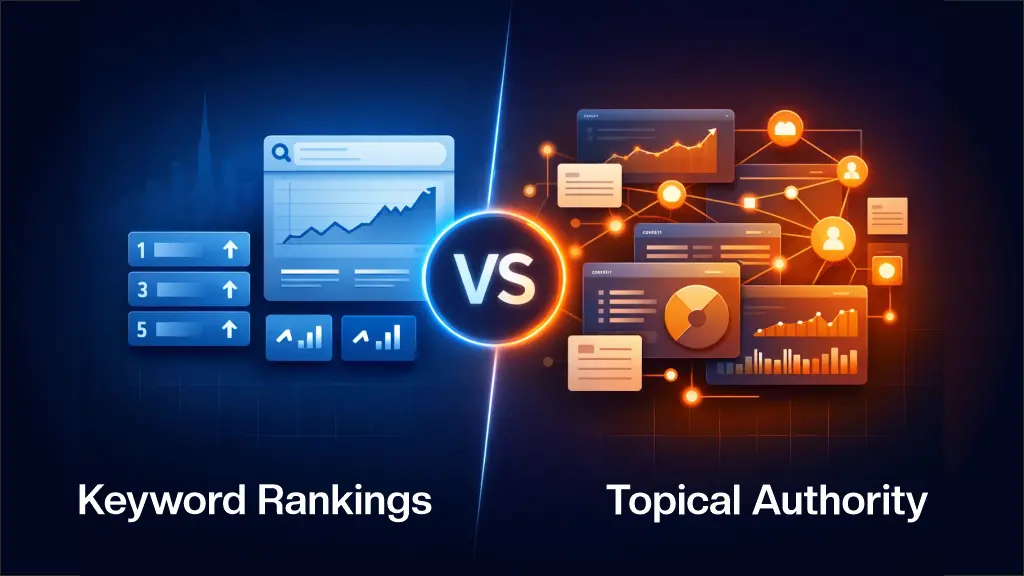
For businesses operating in Dubai and Abu Dhabi, this shift has practical implications. SEO Strategy success is increasingly determined by how well a brand demonstrates understanding across a subject area, not how efficiently it targets individual terms. This makes the comparison between topical authority vs keyword rankings especially relevant in the UAE market.
Over the last few years, this shift has also influenced how SEO Strategy performance is discussed at leadership level. Marketing managers and founders are no longer satisfied with short-term ranking wins. Instead, they are asking whether organic visibility supports credibility, reduces acquisition friction, and aligns with brand perception in a competitive regional market. These expectations mirror the direction Google itself has taken.
How Google’s Ranking Systems Have Matured in Competitive Markets?
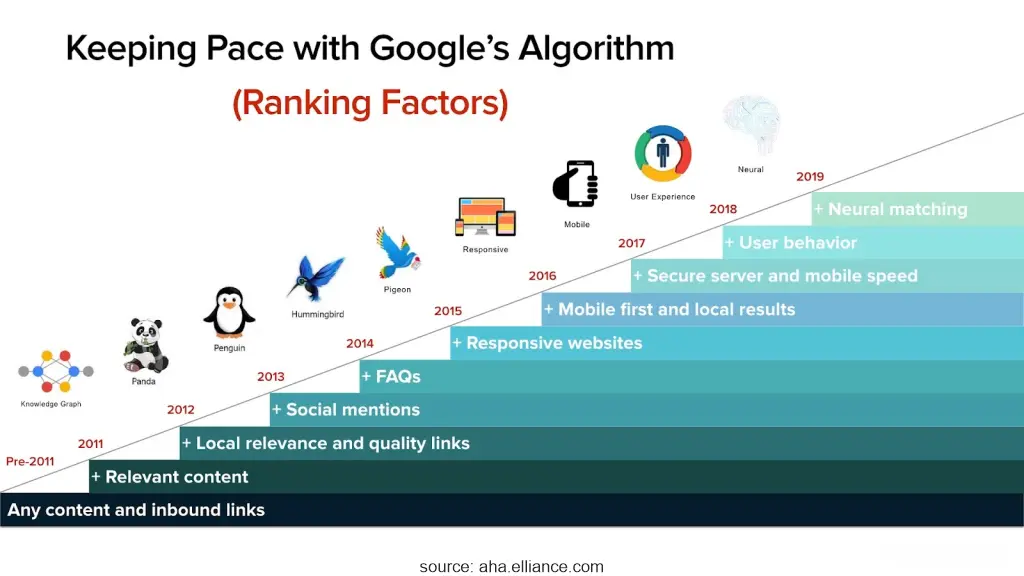
Google’s ranking behavior reflects a broader move toward evaluating credibility at scale. This change is most visible in regions where competition is dense and user expectations are high.
In the UAE, search results often include international brands, regional leaders, and well-funded local businesses competing within narrow verticals. In such environments, marginal optimization differences rarely determine long-term visibility. Instead, Google relies on broader signals that indicate whether a website consistently contributes value within a topic area.
This evolution has made SEO Strategy less about tactical execution and more about strategic alignment with how information is structured and delivered.
- From Page-Level Signals to Topic-Level Evaluation:
Google no longer evaluates content as standalone pages. Instead, it analyses how individual pieces contribute to a broader subject narrative. According to Google’s own documentation, ranking systems are designed to understand content relationships rather than isolated relevance.
Industry research supports this approach. A large-scale analysis by Ahrefs found that websites with structured topic coverage ranked for 2.7× more search queries than websites relying on isolated keyword pages. This difference becomes more pronounced in competitive environments like the UAE, where multiple brands compete for similar visibility.
What this means in practice is that pages are no longer judged only by their own optimisation. They are evaluated based on how clearly they connect to related content, how well they support user understanding, and whether they reinforce a consistent thematic focus.
- The Structural Influence of the Andromeda Update:
The Andromeda update reinforced Google’s ability to group content by themes and entities. While Google does not disclose technical specifications, industry analysis shows that this update reduced the effectiveness of fragmented content strategies.
Websites with clearly defined topical structures demonstrated more consistent visibility, while sites dependent on one-off ranking pages experienced increased fluctuation. This update made topical authority a foundational requirement rather than a differentiator.
For UAE businesses, this shift increased the importance of long-term planning. Brands that invested in structured content ecosystems were better positioned to absorb algorithm changes without sudden losses in visibility, particularly during core updates that followed.
Your digital presence should support growth, not just traffic.
Align strategy, execution, and performance with clear business goals.
Why Keyword Rankings Have Become an Unstable Metric?
Keyword rankings still appear in search results, but their reliability as a long-term indicator has declined. This shift reflects how relevance is now measured.
In practice, many UAE-based websites experience ranking movement even when no changes are made to content or links. This behavior is often misinterpreted as volatility caused by competitors, when it is more accurately explained by Google’s ongoing reassessment of topical relevance.
- The Short Lifespan of Standalone Ranking Pages:
Data from SEMrush indicates that pages ranking without topical reinforcement often experience noticeable position changes within 60 to 90 days in competitive industries. This pattern is especially common in markets like Dubai, where multiple authoritative domains compete for limited first-page space.
Without supporting context, ranking pages struggle to maintain relevance over time. This leads to repeated cycles of re-optimisation that consume time and budget without delivering sustained growth.
- Search Intent Expansion in the UAE:
User behaviour in the UAE reflects longer decision cycles. Google’s consumer research shows that users typically conduct 5 to 7 related searches before taking action, particularly for service-based decisions.
Pages optimised for a single keyword often fail to support this multi-stage journey. As a result, even when rankings are achieved, engagement depth remains limited, and trust signals fail to develop.
This behavior explains why ranking reports alone no longer reflect real SEO Strategy performance in the region.
What Topical Authority Means in Practical Terms?
Topical authority is not defined by publishing volume or word count. It is defined by consistency, relevance, and clarity across a subject area.
For Google, authority emerges when a website demonstrates a clear understanding of how topics connect, evolve, and support user intent over time.
- Authority Is Built Through Coverage, Not Frequency:
Publishing frequently does not automatically improve performance. Authority emerges when content addresses a subject comprehensively, answering related questions and progressing logically from foundational concepts to advanced insights.
Google’s evaluation framework rewards websites that demonstrate ongoing understanding rather than isolated expertise. Over time, this consistency strengthens how a brand is interpreted within search results.
In practical terms, fewer but strategically connected pages often outperform large volumes of disconnected content.
- Why Authority Carries Greater Weight in the UAE?
Trust plays a significant role in UAE digital behavior. Users often compare multiple providers before engaging, especially for professional services and B2B offerings. This makes credibility signals particularly important.
Brands positioning themselves as one of the best SEO agency in the UAE are evaluated implicitly through the depth and consistency of their content rather than through claims or promotional language.
This expectation aligns closely with how Google assesses trustworthiness under its quality evaluation frameworks.
Topical Authority vs Keyword Rankings: A Strategic Comparison
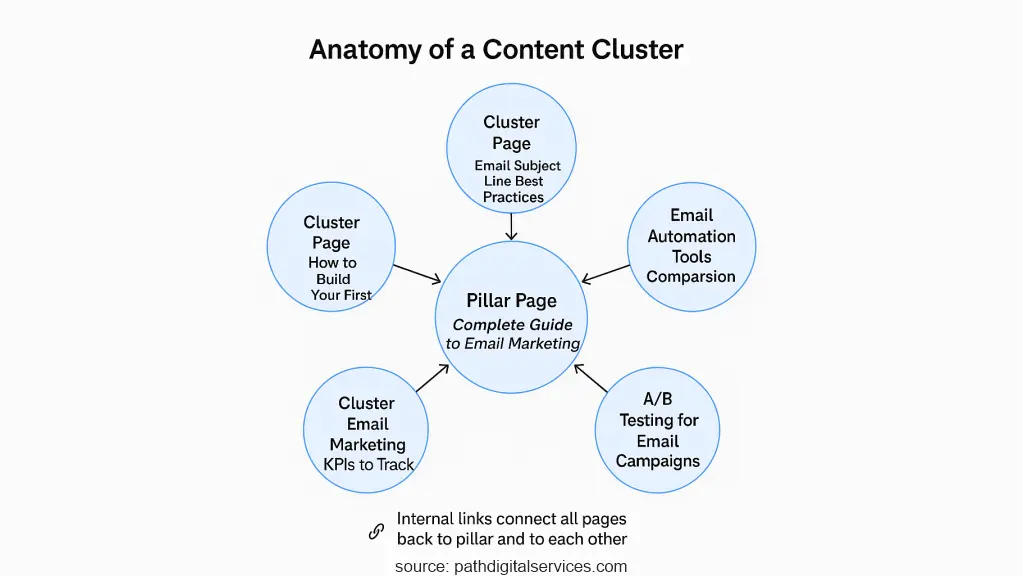
How these approaches differ helps clarify why some SEO Strategy scale while others plateau?
- Keyword Rankings as Discovery Signals:
Keyword rankings function as entry points. They introduce users to content but rarely establish trust on their own. Without contextual support, ranking pages tend to remain isolated touchpoints rather than part of a cohesive journey.
This limitation becomes more apparent in competitive search environments where users quickly compare multiple brands.
- Topical Authority as a Compounding Asset:
Topical authority strengthens over time. Each relevant content asset reinforces the domain, expanding visibility across related searches rather than competing internally.
This compounding effect improves stability and reduces dependence on constant optimisation, making authority-led strategies more sustainable for long-term growth.
How Authority Influences Business Outcomes?

Beyond visibility, authority affects how users perceive a brand throughout the research process. In markets like the UAE, perception often precedes action, especially for high-consideration services.
- Reducing Decision Friction Through Familiarity:
Repeated exposure to coherent, informative content builds familiarity. Users are more likely to engage with brands they encounter consistently across searches.
This dynamic supports campaigns managed by a performance marketing agency in Dubai, where recognition influences engagement quality without relying on exaggerated claims.
- Organic Authority Supporting Paid Performance:
Strong organic presence reinforces paid visibility. When users recognise a brand from organic results, engagement with ads offering SEM services in Dubai tends to improve, contributing to more efficient acquisition without guaranteeing outcomes.
This relationship highlights the strategic value of aligning organic and paid efforts rather than treating them as separate initiatives.
Internal Structure as a Signal of Expertise:
How content is organised plays a critical role in how relevance is interpreted. Structure helps search engines and users understand what a brand specialises in and how different pieces of content relate to one another.
- Internal Linking as Contextual Guidance:
Logical internal linking helps search engines understand content relationships. When pages are connected based on subject relevance rather than convenience, Google gains clarity about topic hierarchy. This clarity strengthens authority while improving user navigation and content discovery across the site.
- Preventing Topical Dilution:
Disorganised content weakens relevance signals. Authority-focused structures ensure that each page serves a specific role, supporting clarity rather than overlap. This approach also reduces internal competition between pages targeting similar themes.
Mobile-First Context and Authority Validation:
Mobile usage dominates search behavior in the UAE. Content must perform effectively in this environment to maintain relevance.
- Why Structured Content Performs Better on Mobile?
Clear sections, logical flow, and readable formatting improve comprehension on smaller screens. Authority-driven content naturally aligns with these requirements because it prioritises clarity over manipulation. Mobile usability reinforces broader trust and relevance signals.
- Engagement as a Reinforcement Signal:
While engagement metrics are not direct ranking factors, consistent interaction reinforces perceived usefulness. Websites with structured, authoritative content often demonstrate stronger engagement patterns over time.
Where Keyword Rankings Still Fit Strategically?
Topical authority does not eliminate the role of keywords. It reframes how they are used.
- Keywords as Access Points:
Keywords guide users into broader content ecosystems. Pages rank more consistently when they are supported by related material rather than functioning independently. This reduces volatility and improves discoverability across multiple related searches.
- Supporting Cohesive Planning:
This approach aligns with scalable digital marketing strategies in the UAE businesses adopt to balance visibility, credibility, and long-term growth.
Applying Authority-Led SEO Strategy in the UAE Context:
Strategic decisions must reflect market maturity, competition, and regulatory sensitivity.
- When Authority-Led SEO Strategy Is Appropriate?
Businesses operating in competitive service sectors benefit from authority-driven approaches that support trust without relying on promises or guarantees.
- When Tactical Keyword Focus Has a Role?
Targeted keyword initiatives can support specific campaigns when integrated carefully into a broader framework rather than executed in isolation.
How C2C Media Approaches Sustainable Search Visibility?
At C2C Media, SEO is treated as a long-term growth discipline. Content strategies focus on structure, relevance, and user intent rather than short-term ranking movements. By aligning organic efforts with analytics and paid media insights, we help brands build durable visibility that adapts to evolving search behavior.
The Direction Search Visibility Continues to Take:
Google’s trajectory consistently favors clarity, relevance, and demonstrated expertise. Keyword rankings remain visible, but they increasingly reflect authority rather than define it. For UAE businesses planning for sustainable digital growth, understanding this shift is essential for building visibility that endures.
Search engines increasingly reward depth and contextual relevance.
Explore whether your content is structured for long-term visibility.
Frequently Asked Questions
Is topical authority more important than keyword rankings for UAE businesses today? + Topical authority has become increasingly important for UAE businesses because search engines now evaluate how consistently a brand demonstrates expertise across a subject area, not just how well a single page ranks. When authority is built through connected insights and long-form content, it supports visibility across multiple stages of the user journey, especially in competitive regional markets where paid vs organic channel comparisons and media planning decisions often influence early research behavior. Can a business still rank well without building topical authority? + In some cases, individual pages may achieve visibility for a limited period. However, in competitive environments, rankings achieved without topical authority often fluctuate as search systems reassess relevance. This is why many brands that focus on business growth strategy and long-term digital positioning prioritise structured content ecosystems rather than relying on isolated optimisation tactics. How does topical authority affect paid campaigns and performance marketing? + Strong topical authority improves brand familiarity during the research phase, which can positively influence engagement across paid channels. When users repeatedly encounter relevant insights, including content aligned with performance marketing fundamentals, it often results in more qualified interactions across paid campaigns, without relying on assumptions or performance guarantees. Does the Andromeda update change how SEO Strategy should be planned? + Yes. The Andromeda update strengthened how platforms interpret content relationships and thematic consistency. This shift places greater emphasis on structured content, contextual relevance, and how topics are connected, rather than relying on isolated optimization techniques or short-term ranking adjustments. How should UAE businesses balance SEO, SEM, and long-term visibility? + A balanced approach focuses on authority-driven SEO supported by targeted paid initiatives. Organic visibility strengthens credibility, while paid efforts help capture immediate demand. Together, they support sustainable growth when aligned under a broader digital strategy that reflects user behavior, market maturity, and long-term brand objectives in the UAE.